
Miniature NOx sensors explained for drivers and technicians
Release time:2026-02-09
A miniature NOx sensor checks how much nitrogen oxides are in your car’s exhaust. This small device helps your car follow strict rules like Euro 6 and EPA standards. When you drive, the sensor works with your engine. It keeps emissions low and helps protect the air we breathe. You can trust it to keep your engine healthy. It also helps you need fewer repairs.
- Car makers use these sensors to follow tough laws about emissions.
- Real-time monitoring helps your car stay safe for the environment.
Key Takeaways
- Miniature NOx sensors watch nitrogen oxides in your car’s exhaust. They help keep emissions low and protect the environment. These sensors work with your engine to meet strict emissions rules. This lowers the chance of expensive repairs. NOx sensors give real-time data so your car can adjust fast. This helps your car run well and stay within legal emissions. Check for sensor problems like a check engine light or more fuel use. This can stop engine damage. Taking care of your NOx sensor helps your car run better. It also helps make the air cleaner and keeps people healthier.
What is a miniature NOx sensor?
Main function and purpose
A miniature NOx sensor acts like a guard for your car’s exhaust. It sits in the exhaust system and checks for nitrogen oxides. The sensor uses special electrochemical cells to do this job. There are two or three cells inside the sensor. The first cell takes away oxygen from the exhaust. This helps the second cell measure NOx better. The first cell moves oxygen ions through zirconia. The amount of current shows how much oxygen is there. The second cell splits NOx into nitrogen and oxygen. Then it measures the oxygen to find out how much NOx is in the exhaust.
The miniature NOx sensor does more than just check gases. It helps your car react fast to changes in exhaust. You get feedback right away to keep your engine clean. The sensor also works with systems like SCR by sending data to the car’s computer. This data helps your car decide how much diesel exhaust fluid to use. Using the right amount lowers NOx emissions.
Here’s a simple look at what a miniature NOx sensor does in your car:
You depend on the miniature NOx sensor to keep your car running well and safe for the environment.
How it supports emissions compliance
You need a miniature NOx sensor to follow strict rules about air pollution. Many countries have tough standards for cars and trucks. These rules make sure vehicles release less NOx into the air. The sensor helps your car follow these laws by checking and controlling emissions every time you drive.
Tip: If your car uses diesel, the miniature NOx sensor helps lower pollution. It works with the SCR system and helps add the right amount of AdBlue to break down NOx.
Here is how the miniature NOx sensor helps your car meet emission rules:
- The sensor sits in the exhaust and finds NOx in the exhaust flow.
- It helps the post-treatment system lower NOx emissions, especially in diesel cars with SCR technology.
- The sensor makes sure your car meets strict standards by helping the system add the right amount of AdBlue to cut down harmful gases.
Many rules require the use of a miniature NOx sensor:
- The Heavy-Duty Low NOx Omnibus Regulation, approved by CARB in 2020, needs a 90% drop in NOx from heavy-duty engines.
- This rule started in 2024 and will last until 2031, with new tests and longer durability times.
- The rule replaces old standards and sets even tougher limits.
Euro 6 standards in Europe, Tier 2 standards in the United States, and California’s Low NOx Regulation all require cars and trucks to use NOx sensors. These rules help keep the air clean and your car legal.
The miniature NOx sensor gives you peace of mind. You know your car follows the latest rules and helps keep the air clean for everyone.
How miniature NOx sensors work
Oxygen pump cell technology
Every miniature NOx sensor has advanced parts inside. The main part is called the oxygen pump cell. This cell is made from a special material named zirconia. When your car is running, the sensor uses two oxygen pump cells. These cells measure gases in the exhaust. The first cell takes out oxygen from the exhaust. This helps the second cell check for nitrogen oxide. The sensor splits nitrogen oxide into nitrogen and oxygen. It then measures the oxygen to see how much NOx is there.
The sensor gives you correct readings because it uses two models together. These are the electrochemical and diffusion models. The voltage and current in the sensor are directly linked. This means you do not have to worry about other things changing the results. The sensor design also ignores some small effects. For example, it does not count anode concentration overpotential. These do not change the results much. The activation overpotentials stay steady with current. This gives you measurements you can trust.
Here is a table that shows the main features of oxygen pump cell technology:
This technology helps you get fast and correct NOx readings. The sensor uses two units. One is upstream and one is downstream. The upstream sensor checks gases right from the engine. The downstream sensor checks gases after they are treated. This setup lets you watch emissions all the time. You can trust your car to meet clean air rules.
- The upstream sensor checks gases before the emissions system.
- The downstream sensor checks gases after treatment.
- Both sensors work together to show you all NOx levels.
Real-time data and ECU integration
You need real-time data from the NOx sensor to keep your car clean. The sensor sends data to the engine control unit, or ECU. It uses a Controller Area Network, called CAN, to do this. This network lets the sensor share data about NOx, temperature, and its own health. The ECU uses this data to control systems like SCR. The SCR system adds the right fluid to break down nitrous oxide and nitrogen oxide into safe gases.
The sensor and ECU work together to keep your car legal. The ECU checks the timing of the NOx signal. It compares this with the fuel injection rate. If there is a delay, the ECU changes the timing. This helps you get the best reading. This process helps your car react fast to changes when you drive.
You get many benefits from real-time NOx monitoring:
- You know what is in your exhaust at any time.
- You get very good data.
- You do not have to worry about paperwork for emissions.
- Your car can quickly lower NOx emissions.
- You follow the law and help the environment.
Here is a table that shows the main benefits of real-time NOx monitoring:
You count on this system to keep your car working well and legal. Real-time NOx data helps you and your technician find problems early. You can fix them before they get worse or cause you to fail an inspection.
Importance of NOx sensors
Environmental and health impact
When you drive with a working NOx sensor, you help the environment. This sensor lowers NOx pollution. Cleaner air is good for everyone. Less NOx means fewer health problems for you and your community.
NOx can cause serious health issues. Breathing these gases can lead to wheezing, dementia, and heart failure. Kids who breathe lots of NOx may not grow as well mentally. The table below shows how NOx affects health:

Keeping your NOx sensor working helps protect your lungs, heart, and brain. It also keeps kids safer from nitrogen oxide and nitrous oxide in the air.
Note: NOx emissions can harm you inside your car too. This is true if you drive in heavy traffic.
Role in vehicle performance
Your NOx sensor does more than clean the air. It helps your engine work better. When the sensor works, your car uses fuel wisely. It also makes fewer bad gases. The sensor sends data to your car’s computer. The computer changes the engine for best performance.
If your NOx sensor breaks, your car uses more fuel. You may lose engine power and make more emissions. Your car might not pass an emissions test. Big car companies like Ford, Chrysler, Toyota, and Tesla use NOx sensors. These sensors help cars use less fuel and need fewer repairs. Accurate NOx monitoring keeps engines healthy.
- Ford made its SCR system better and needed less maintenance.
- Chrysler saved fuel and lowered costs with NOx sensors.
- Toyota improved engine performance and used less fuel.
- Tesla made cleaner cars and better engine operation.
You can count on your NOx sensor to keep your car running well. It helps you save money on repairs and fuel.
NOx sensor location and identification
Typical placement in vehicles
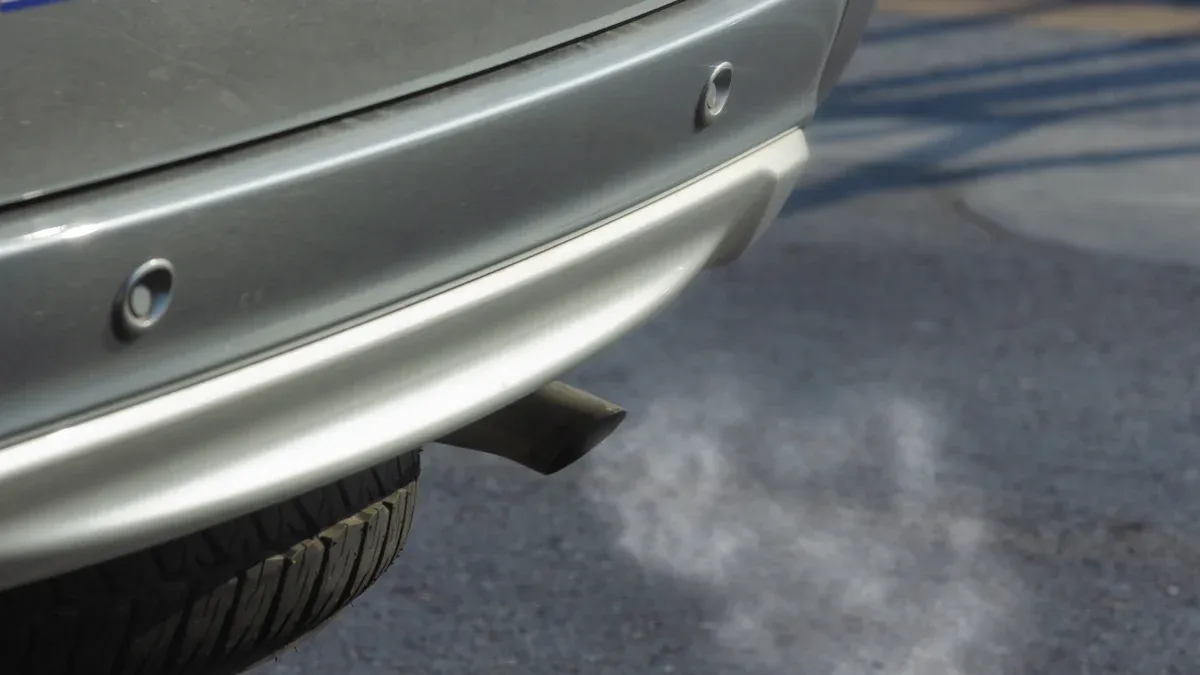
Miniature NOx sensors are found in the exhaust system. Most new cars and trucks have them. These sensors help control NOx emissions and lower pollution. Car makers put one sensor before the SCR filter. They put another sensor after the SCR filter. This lets your car check NOx levels before and after exhaust treatment.
Here is where you might see these sensors in vehicles:
- In many cars, the upstream NOx sensor is near the engine. It sits right after the turbocharger.
- The downstream sensor is farther back. It is near the end of the SCR, sometimes under the car or behind the cab in trucks.
- For example, a 2016 Kenworth T680 has the upstream sensor on the passenger side of the engine. The downstream sensor is behind the cab.
The right spot for the NOx sensor is important. It helps the sensor give correct readings. This helps your car follow emission rules. If the sensor is in the wrong place, it may not work right. Things like soot, water, and heat can hurt the sensor. You should check and clean these sensors often to keep them working well.
Tip: To find your sensors, look along the exhaust pipe. Search for small metal devices with wires going to the engine control unit.
How to recognize the sensor
You can spot a miniature NOx sensor by its look. These sensors are small and made of metal. They have a thick wire harness. The body is threaded and screws into the exhaust pipe.
Here are some ways to tell if it is a NOx sensor:
- Look for white crystals around the sensor. This can mean there is too much Diesel Exhaust Fluid in the system.
- Check where it is. New trucks like Duramax models have two NOx sensors. One is before and one is after the SCR catalyst.
- Compare it to other sensors. The NOx sensor checks the aftertreatment system. An O2 sensor helps with the air and fuel mix.
If you see a sensor with these signs, it is likely a NOx sensor. Knowing how to find and spot these sensors helps your car stay clean and run well.
NOx sensor failure and solutions

Common failure signs
You can spot a failing NOx sensor by watching for these signs in your vehicle:
- The check engine light comes on.
- You notice reduced engine power or sluggish acceleration.
- Your car uses more fuel than usual.
- The engine idles roughly or feels unstable.
- You see higher DEF (Diesel Exhaust Fluid) use.
- Warning lights appear on your dashboard.
- You get trouble codes like P229F, P2202, or P242F.
Tip: If you see more than one of these signs, you should check your NOx sensor soon. A faulty sensor can cause your car to release more nitrous oxide and fail emissions tests.
Troubleshooting steps
You can follow these steps to find out if your NOx sensor has a problem:
- Use a scan tool to read any fault codes from your car’s computer.
- Check live data from the sensor. Look for readings that match engine changes.
- Run a dynamic test. During a forced regeneration with DEF off, compare the readings from the inlet and outlet sensors. They should be close.
- If you see a big difference in parts per million (PPM) between sensors, you likely have a bad sensor.
A good troubleshooting process helps you avoid guessing. You can fix the right part and keep nitrous oxide emissions low.
Repair and replacement options
You have several options when you need to fix a NOx sensor problem:
You should repair or replace a faulty sensor as soon as possible. Quick action keeps your car within legal emission limits and prevents more nitrous oxide from entering the air. Timely repairs also protect your engine and save you money in the long run.
Note: Always check for proper NOx sensor installation after repairs. This step ensures your sensor works well and keeps nitrous oxide emissions under control.
You count on your miniature NOx sensor to help your car stay clean and work right. This sensor checks how much nitrogen oxide is in your exhaust. It helps your engine lower bad gases. If you find problems early and take care of the sensor, your engine runs smoother. You also use less fuel and avoid expensive fixes.
- Look for warning signs like the check engine light turning on or using more Diesel Exhaust Fluid than normal.
- Make sure to reset your system after you put in a new sensor.
Taking care of your NOx sensor keeps you healthy, helps your car, and is good for the environment.
FAQ
What happens if my NOx sensor fails?
You may see the check engine light. Your car might use more fuel or lose power. You could fail an emissions test. Fix the sensor soon to avoid bigger problems.
Can I drive with a bad NOx sensor?
You can drive, but you risk engine damage and higher emissions. Your car may not run well. You might get a fine if you fail an emissions test.
How often should I replace a NOx sensor?
Most sensors last 80,000 to 150,000 miles. Check your owner’s manual for your car’s schedule. Replace the sensor if you see warning signs or get error codes.
Is a NOx sensor the same as an oxygen sensor?
No, these sensors do different jobs. A NOx sensor measures nitrogen oxides. An oxygen sensor checks oxygen levels for fuel control. Both help your car run clean.
Can I clean a NOx sensor instead of replacing it?
You should not clean a NOx sensor. Cleaning can damage it. Replace the sensor if it fails. This keeps your car safe and legal.
Message lnquiry
Welcome to leave a message,we will contact you in time!

Address: Building 9, East Lake High-tech Industrial Innovation Base, No. 9 Miaoshan Avenue, Jiangxia District, Wuhan City,Hubei Province
WhatsApp:
Email:
在线客服添加返回顶部
页面顺滑的滚动
右侧在线客服样式 1,2,3 1
图片alt标题设置: Wuhan Zoteng Power System Co., Ltd.
表单验证提示文本: Content cannot be empty!
循环体没有内容时: Sorry,no matching items were found.
CSS / JS 文件放置地